
This post may contain affiliate links. If you purchase through them, we may earn a small commission at no extra cost to you. Thank you for supporting our site.
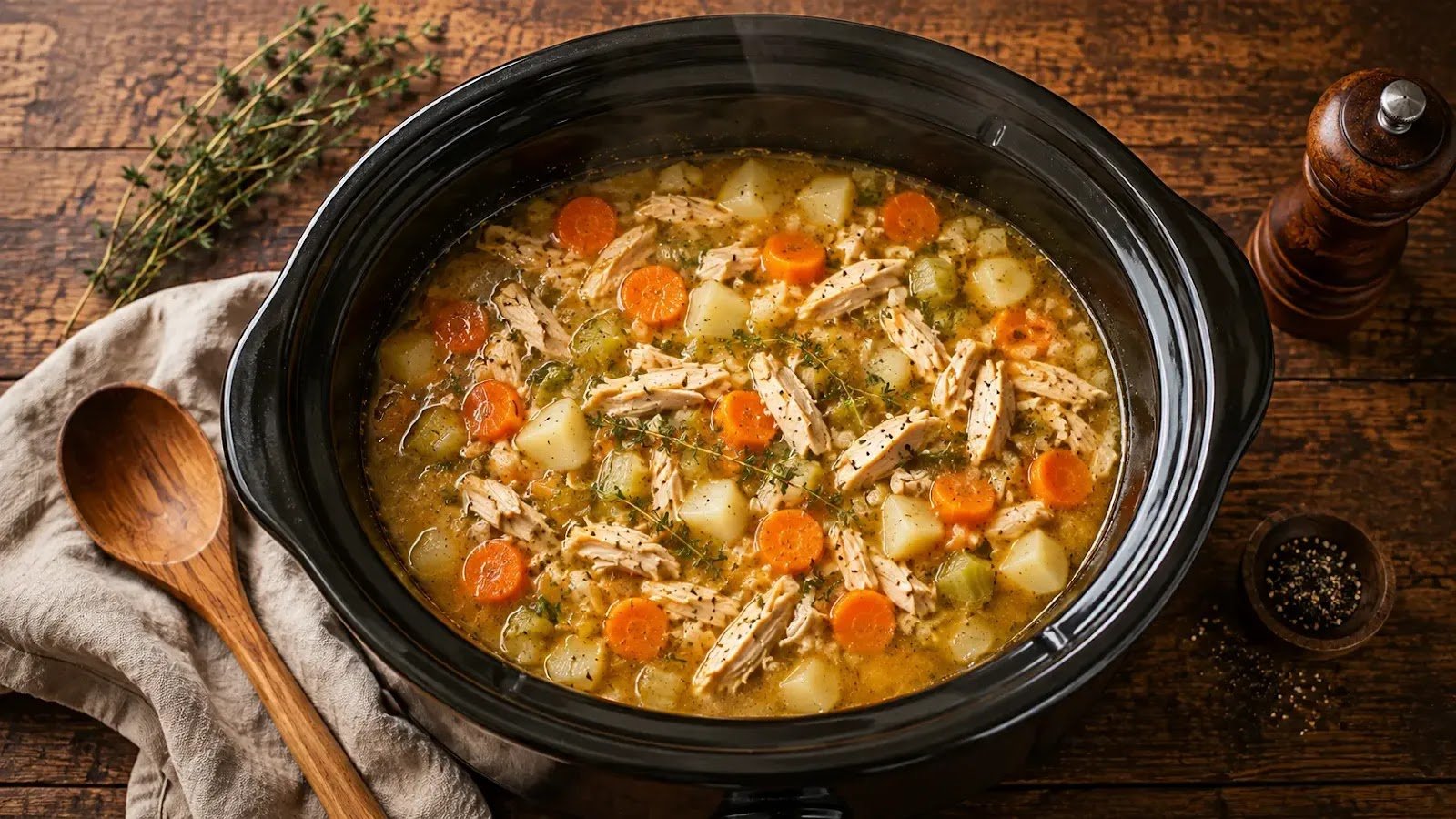
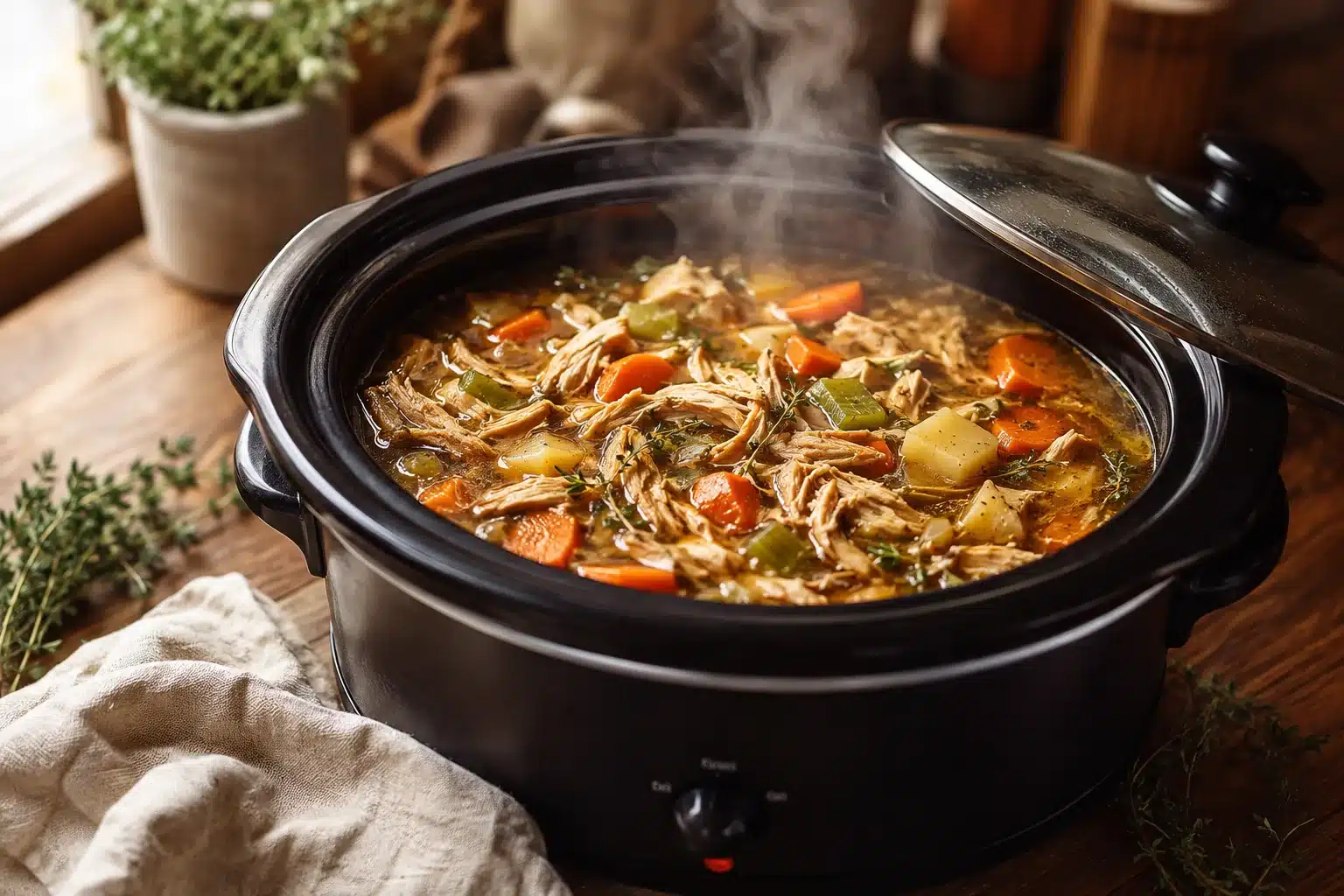
This crockpot soup recipe is proof that dinner can practically make itself. There’s a particular kind of relief that comes from walking into the kitchen on a cold afternoon and realizing dinner has basically already happened without you. That’s the whole appeal of this recipe. You spend about fifteen minutes chopping and browning in the morning, and by the time everyone’s home and hungry, the kitchen smells like you spent all day on it. You didn’t. Your slow cooker did.
I started making this crockpot soup recipe years ago on a week when I had three things going on every evening and zero patience for standing over a stove. What surprised me wasn’t just how easy it was — it was how much better the soup tasted after simmering low and slow for hours. The vegetables soften into the broth instead of just sitting in it. The flavors have time to actually get to know each other. It’s the kind of soup that tastes like it came from someone’s grandmother, even if it came from a slow cooker you bought on sale.
This recipe is built to be forgiving. You can swap vegetables based on what’s in your fridge, add or remove protein, and adjust the seasoning at the end to taste. It freezes beautifully, reheats without losing texture, and makes enough to feed a family with leftovers for lunch the next day.
Below you’ll find everything you need: ingredient notes, step-by-step instructions, storage tips, common mistakes to avoid, and answers to the questions people ask most about making this crockpot soup recipe in a slow cooker.
Quick Recipe Facts
| Detail | Info |
|---|---|
| Prep Time | 15 minutes |
| Cook Time | 6–8 hours (low) / 3–4 hours (high) |
| Total Time | 6 hours 15 minutes – 8 hours 15 minutes |
| Servings | 6–8 |
| Cuisine | American |
| Course | Main Dish, Soup |
| Difficulty | Easy |
| Calories (per serving) | ~280 |
| Protein | 22g |
| Carbs | 24g |
| Fat | 9g |
Nutrition values are estimates and will vary based on exact ingredients used.
Table of Contents
- Why You’ll Love This Crockpot Soup Recipe
- Ingredient Guide
- Equipment Guide
- Step-by-Step Instructions
- Expert Tips
- Common Mistakes
- Recipe Variations
- Serving Ideas
- Storage
- Troubleshooting
- Frequently Asked Questions
- Helpful Kitchen Gear
- Recipe Card
Jump to Recipe — scroll to the bottom for the printable card.
Why You’ll Love This Crockpot Soup Recipe
This crockpot soup recipe earns its place in a regular dinner rotation for a few honest reasons. It’s genuinely low-effort — the slow cooker does the heavy lifting while you go about your day. It’s forgiving of substitutions, so it works with whatever vegetables or protein you have on hand. It reheats well, which makes it a solid meal-prep option for lunches during the week. And it has that particular savory depth that only comes from hours of slow simmering, not something you can rush on a stovetop in twenty minutes.
It’s a good fit for busy weeknights, Sunday meal prep, or anyone who wants a comforting dinner without spending the whole evening in the kitchen. If you’re newer to cooking, this is also a great low-stakes recipe to practice on, since the slow cooker does most of the work for you and there’s very little room to go wrong.
If cozy, low-effort comfort food is your thing, this crockpot soup recipe pairs well with a few other favorites on the blog. For another one-pot cabbage dish, try the Golumpki Soup — all the flavor of stuffed cabbage rolls without any of the rolling, simmered down in one pot the same way this soup is.
Ingredient Guide
Every good crockpot soup recipe starts with the same handful of building blocks — here’s what each one does and why it matters.
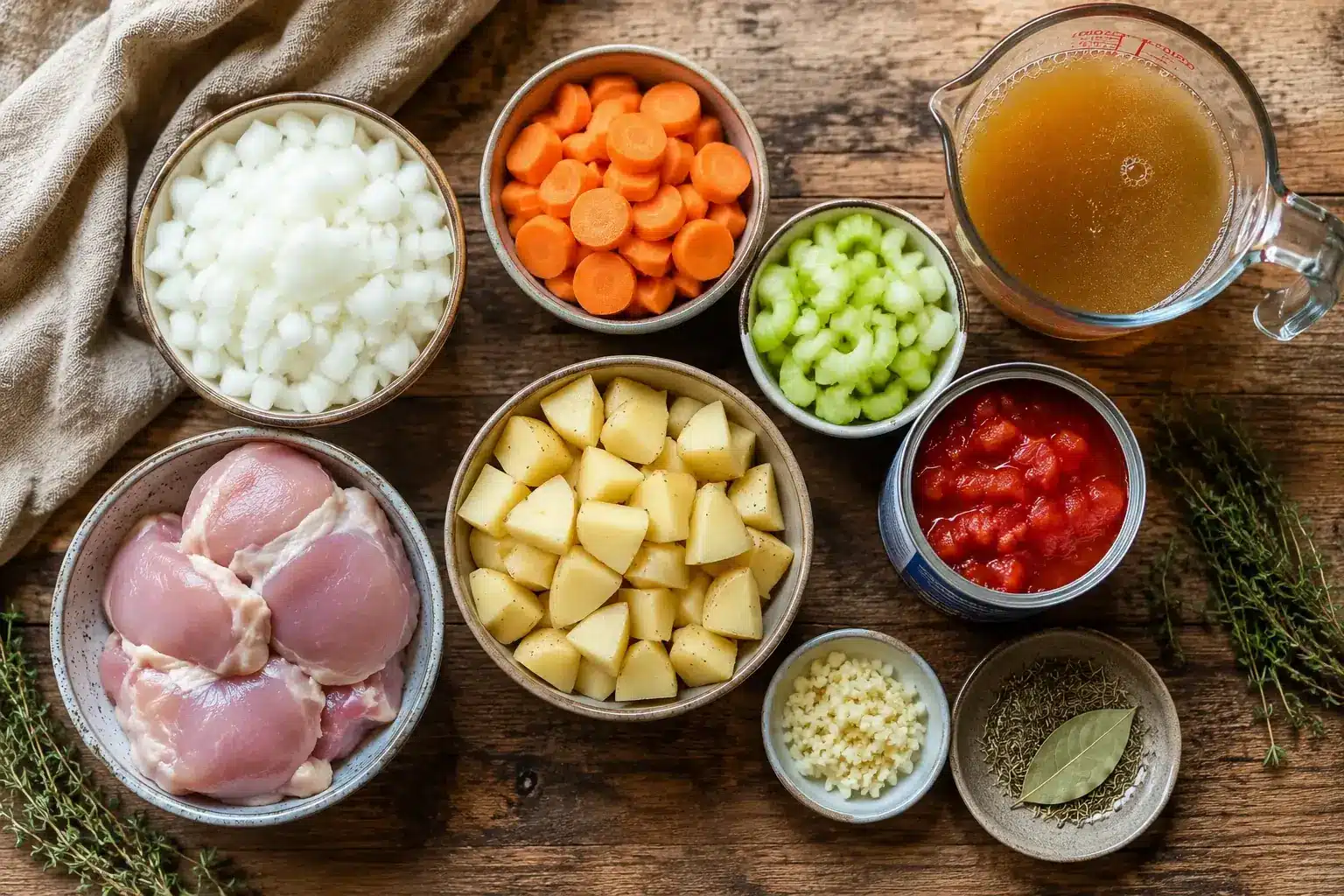
Onion, carrot, and celery (the base): This trio, sometimes called a mirepoix, builds the foundation of flavor for almost any soup. Dice them relatively small so they soften evenly over the long cook time. If you’re short on time, pre-chopped versions from the produce section work fine here.
Garlic: Fresh minced garlic adds a sharper, more aromatic flavor than jarred garlic. Add it toward the end of your sauté step so it doesn’t burn and turn bitter.
Protein (chicken thighs, ground beef, or beans): Boneless, skinless chicken thighs hold up better than breasts over a long cook time and stay juicy. If using ground beef, brown it first and drain excess fat before adding it to the crockpot. For a vegetarian version, canned beans (cannellini, chickpeas, or kidney beans) work well and only need to be added in the last hour of cooking.
Broth: Low-sodium chicken or vegetable broth gives you control over the final seasoning. Using low-sodium broth means you won’t end up with an overly salty soup after hours of reduction.
Canned diced tomatoes: These add acidity and body to the broth. Fire-roasted diced tomatoes add a subtle smoky note if you want extra depth.
Potatoes: Yukon gold or red potatoes hold their shape better than russets, which tend to break down and get mushy over a long cook.
Herbs (thyme, bay leaf, parsley): Dried thyme and a bay leaf infuse the broth throughout cooking; fresh parsley added at the end brightens the finished dish.
Salt and pepper: Season conservatively at the start and adjust at the end, since the broth reduces slightly and flavors concentrate over time.
Equipment Guide
A 6-quart slow cooker: This size comfortably fits a full batch of soup for 6–8 servings without crowding the ingredients, which helps everything cook evenly.
A large skillet: Useful for browning meat and softening the onion, carrot, and celery before they go into the crockpot. This step isn’t strictly required, but it builds a noticeably deeper flavor.
A sharp chef’s knife and cutting board: Since most of the prep work here is chopping vegetables, a knife that actually holds an edge makes the process faster and safer.
A ladle: Makes serving easier and helps you portion the soup evenly, especially if you’re packing it into containers for the week.
If you don’t have a large skillet free, you can skip browning and add everything directly to the slow cooker — the soup will still turn out well, just with slightly less depth of flavor.
Step-by-Step Instructions
Follow these steps for the full crockpot soup recipe from start to finish.
Step 1: Prep your vegetables. Dice the onion, carrot, and celery into roughly half-inch pieces, and mince the garlic. Uniform pieces cook more evenly, so try to keep your cuts consistent. This is the step most people rush, but a few extra minutes here pays off in the final texture.
Step 2: Brown the protein and sauté the aromatics. Heat a tablespoon of oil in a large skillet over medium-high heat. If using ground beef, brown it fully and drain the fat. If using chicken thighs, sear them for two to three minutes per side until golden, not fully cooked through — they’ll finish cooking in the crockpot. Remove the protein, then add the onion, carrot, and celery to the same skillet and cook for 4–5 minutes until the onion turns translucent. Add the garlic in the last 30 seconds, just until fragrant. This step is optional but adds real depth of flavor by building fond in the pan.
Step 3: Transfer everything to the crockpot. Add the sautéed vegetables, browned protein, diced potatoes, canned tomatoes, broth, thyme, and bay leaf to the slow cooker. Stir gently to combine. The liquid should just cover the solid ingredients; add a little extra broth or water if needed.
Step 4: Set and cook. Cover and cook on low for 6–8 hours or on high for 3–4 hours. Low and slow generally produces a more tender result, especially for tougher cuts of meat. Avoid lifting the lid during cooking — every time you do, you release heat and add 15–20 minutes to your total cook time.
Step 5: Shred or check the protein. If using chicken thighs, they should be fork-tender by the end of cooking. Remove them, shred with two forks, and stir them back into the soup. If using ground beef, it should already be fully cooked and evenly distributed.
Step 6: Season and finish. Remove the bay leaf. Taste the broth and adjust salt and pepper — this is the point where the soup actually needs seasoning, since the broth has reduced and concentrated. Stir in fresh parsley just before serving for a bright finish.
Step 7: Serve. Ladle into bowls while hot. Add any finishing touches you like — a sprinkle of parmesan, a swirl of cream, or crusty bread on the side.
Expert Tips
Browning your protein and vegetables before slow cooking makes a noticeable difference in flavor depth — it’s the single highest-impact optional step in this recipe. Season lightly at the start and taste again at the end, since slow cooking concentrates flavors over time. If you’re adding dairy like cream or milk, stir it in during the last 30 minutes rather than at the beginning, since dairy can separate or curdle over a long cook. Starchy vegetables like potatoes hold their texture better when added at the start with low-heat cooking, while delicate vegetables like spinach or zucchini are best stirred in during the final 20–30 minutes so they don’t turn to mush.
Common Mistakes
Problem: The soup tastes watery or flat. Cause: Under-seasoning at the end, or too much liquid relative to solids. Solution: Taste and adjust salt right before serving, and consider simmering uncovered on the stove for a few minutes to reduce and concentrate the broth if it’s too thin.
Problem: The vegetables turned to mush. Cause: Delicate vegetables were added at the beginning instead of near the end. Solution: Add sturdy vegetables like potatoes and carrots early, and save anything delicate — spinach, peas, zucchini — for the last 20–30 minutes of cooking.
Problem: The chicken is dry. Cause: Using chicken breast instead of thighs, or overcooking on high heat. Solution: Use boneless, skinless thighs, which are more forgiving over long cook times, and stick to the low setting when possible.
Problem: The broth is too greasy. Cause: Not draining fat after browning ground beef or using fattier cuts of meat. Solution: Drain excess fat thoroughly before transferring to the crockpot, or skim the surface of the finished soup with a spoon.
Recipe Variations
Healthy: Use extra vegetables in place of some of the potatoes, and choose lean ground turkey or chicken breast for a lighter version.
High Protein: Add a can of drained white beans in addition to the meat, or stir in cooked quinoa near the end of cooking.
Low Sugar: Skip the canned tomatoes in favor of fresh diced tomatoes, which typically contain less added sugar.
Keto: Omit the potatoes and replace them with cauliflower florets or diced turnips.
Gluten Free: This recipe is naturally gluten free as written — just double-check your broth’s label, since some brands add gluten-containing thickeners.
Dairy Free: As written, this recipe contains no dairy; skip any cream or cheese garnishes to keep it that way.
Seasonal (Fall): Add diced butternut squash along with the potatoes for a seasonal, slightly sweet variation.
Holiday: Stir in a splash of dry sherry or white wine with the broth for a more festive, layered flavor.
Kid Friendly: Dice vegetables smaller and skip anything spicy; a mild version is easy for kids to eat and digest.
Party Version: Double the recipe in a large slow cooker and set up a toppings bar with shredded cheese, crackers, and hot sauce.
Budget Version: Use dried beans instead of meat, and stick to the most affordable seasonal vegetables.
Luxury Version: Finish with a swirl of heavy cream, fresh herbs, and a drizzle of good olive oil just before serving.
Serving Ideas
This soup works well as a simple weeknight dinner with crusty bread or a side salad. If you’d rather serve a warm vegetable side instead of bread, the Best Roasted Cheese Zucchini with Parmesan is ready in about 30 minutes and its garlicky, cheesy flavor holds up nicely next to a brothy soup. For meal prep, portion it into individual containers for grab-and-go lunches through the week — it reheats well and the flavor often improves the next day. It also holds up nicely on a buffet table for potlucks, game day spreads, or casual holiday gatherings, since a slow cooker can double as a warm serving vessel if you keep it on the “warm” setting after cooking.
Storage
Refrigerator: Store in an airtight container for up to 4 days.
Freezer: Cool completely, then freeze in individual portions for up to 3 months. Soups with potatoes may change texture slightly after freezing, so if you plan to freeze a large batch, consider adding the potatoes fresh when reheating instead.
Reheating: Reheat on the stovetop over medium-low heat, stirring occasionally, or in the microwave in 1-minute intervals. Add a splash of broth or water if the soup has thickened in storage.
Troubleshooting
Soup didn’t thicken enough: Mash a few of the potato pieces against the side of the pot and stir them back in, or make a small cornstarch slurry (1 tablespoon cornstarch mixed with 2 tablespoons cold water) and stir it in during the last 30 minutes of cooking.
Soup is too thick: Stir in additional broth or water, a little at a time, until it reaches the consistency you want.
Meat came out tough: This usually means it needs more time, not less — tougher cuts actually become more tender the longer they cook in a slow cooker, up to a point.
Vegetables aren’t fully cooked at serving time: Cut vegetables smaller next time, or give the soup an additional 30–60 minutes on low.
Frequently Asked Questions
Can I put raw meat directly in the crockpot without browning it first? Yes, this recipe will still work if you skip browning, though you’ll lose some of the depth of flavor that comes from searing the meat and sautéing the vegetables first.
Do I need to add liquid or will the ingredients release enough on their own? You do need to add broth or another liquid — vegetables and meat don’t release enough liquid on their own to properly cook and stay covered in a slow cooker.
Can I leave a crockpot on while I’m out of the house? Slow cookers are designed for unattended cooking and are generally considered safe to leave running while you’re out, as long as the appliance is in good working condition and placed on a stable, heat-safe surface.
What’s the difference between cooking on low versus high? Low heat cooks more gently over a longer period and tends to produce more tender results, especially for tougher cuts of meat, while high heat cooks faster but can be less forgiving with delicate ingredients.
Can I double this crockpot soup recipe? Yes, as long as your slow cooker is large enough to hold the increased volume without overfilling — most slow cookers work best when filled between half and two-thirds full.
Why does my slow cooker soup taste bland compared to stovetop soup? Slow cooking can mute some seasoning intensity over time, so it’s normal to need a final adjustment of salt, pepper, and fresh herbs right before serving.
Can I use frozen vegetables instead of fresh? Yes, though frozen vegetables release extra water as they cook, so you may want to reduce the added liquid slightly or add them later in the cooking process.
Is it safe to add dairy at the start of cooking? It’s better to add dairy like cream, milk, or cheese near the end of cooking, since extended heat exposure can cause it to separate or curdle.
How full should I fill my slow cooker? Most manufacturers recommend filling a slow cooker no more than two-thirds to three-quarters full for even cooking.
Can I cook this soup overnight? Yes, an 8-hour low setting works well for overnight cooking, especially if your slow cooker has an automatic “keep warm” function that kicks in afterward.
What can I use instead of potatoes? Sweet potatoes, cauliflower, turnips, or a short pasta added near the end are all good substitutes depending on the texture and flavor you’re after.
Can I make this soup on the stovetop instead? Yes, simmer covered over low heat for about 45–60 minutes, checking that the vegetables and protein are fully tender before serving.
Do I need to thaw frozen chicken before adding it to the crockpot? Food safety guidance generally recommends thawing meat before slow cooking rather than starting from frozen, since frozen meat can spend too long in the temperature danger zone before the slow cooker reaches a safe cooking temperature.
How do I make the soup creamier without using dairy? Blend a portion of the cooked vegetables and stir them back into the pot — this naturally thickens and creamies the broth without adding dairy.
Can I add pasta or rice directly to the slow cooker? Yes, but add them during the last 20–30 minutes of cooking, since they can turn mushy or absorb too much liquid if cooked the entire time.
Helpful Kitchen Gear
A few tools genuinely make this crockpot soup recipe easier, without being essential purchases:
A programmable slow cooker: Being for cooks who want to set a cook time and have the appliance automatically switch to “warm,” this helps prevent overcooking if you’re away longer than planned.
A good chef’s knife: Best for anyone chopping vegetables regularly, a sharp, comfortable knife noticeably speeds up prep and makes the whole process less tedious.
Reusable soup storage containers: Ideal for meal preppers, stackable, freezer-safe containers make portioning and reheating leftovers much simpler.
An immersion blender: Useful if you want to partially blend the soup for a creamier texture without dirtying a separate blender.
A ladle with a hooked handle: A small detail, but a ladle that hooks onto the side of the pot instead of sliding in is genuinely convenient during serving.
Silicone slow cooker liners: Helpful for easier cleanup, these cut down significantly on scrubbing time after a long cook.
One thing I’ve learned from testing kitchen gear over the years: dishwasher-safe materials and durability matter more long-term than price. I always check the dimensions against my own kitchen and skim recent reviews for recurring complaints before buying — it’s saved me from a few bad purchases.
Recipe Card
Easy Crockpot Soup Recipe
A hearty, hands-off crockpot soup recipe that simmers low and slow for a comforting, flavorful dinner with minimal effort.
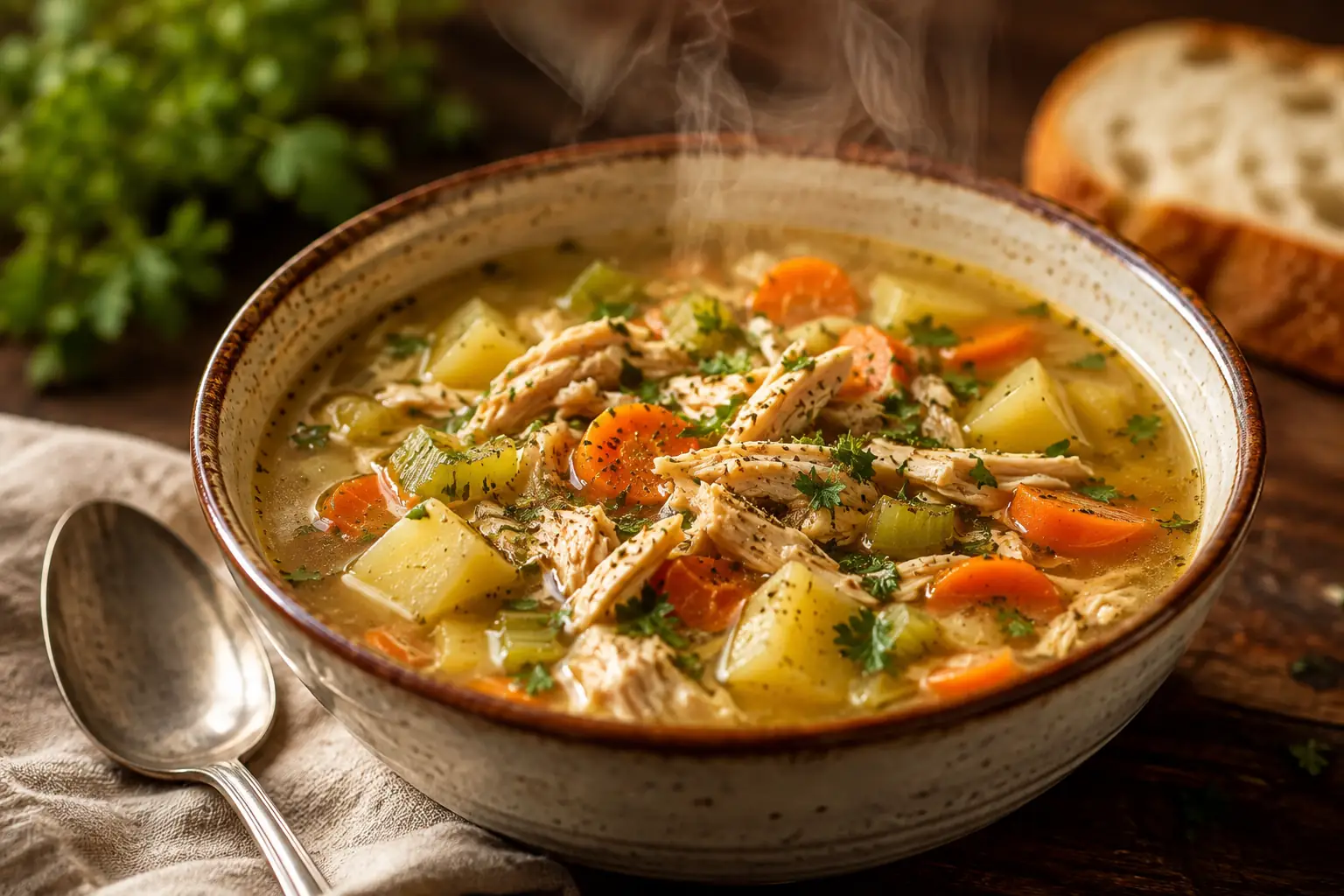
Prep Time: 15 minutes | Cook Time: 6–8 hours | Servings: 6–8
Ingredients
- 1 tablespoon olive oil
- 1.5 lbs. boneless, skinless chicken thighs (or 1 lb. ground beef)
- 1 medium yellow onion, diced
- 2 medium carrots, diced
- 2 celery stalks, diced
- 3 cloves garlic, minced
- 2 medium Yukon gold potatoes, diced
- 1 (14.5 oz.) can diced tomatoes
- 6 cups low-sodium chicken or vegetable broth
- 1 teaspoon dried thyme
- 1 bay leaf
- Salt and pepper, to taste
- 2 tablespoons fresh parsley, chopped, for serving
Instructions
- Heat olive oil in a large skillet over medium-high heat. Brown the chicken thighs or ground beef, then set aside (drain fat if using ground beef).
- In the same skillet, sauté onion, carrot, and celery for 4–5 minutes until the onion is translucent. Add garlic and cook 30 seconds more.
- Transfer the browned protein and sautéed vegetables to a 6-quart slow cooker.
- Add diced potatoes, canned tomatoes, broth, thyme, and bay leaf. Stir to combine.
- Cover and cook on low for 6–8 hours or high for 3–4 hours.
- If using chicken thighs, remove, shred with two forks, and stir back into the soup.
- Remove the bay leaf. Taste and adjust salt and pepper.
- Stir in fresh parsley just before serving.
More Recipes You’ll Love
If this crockpot soup recipe becomes a regular in your rotation, a couple of other set-it-and-forget-it favorites from the blog are worth bookmarking next. The Irresistible Honey Garlic Chicken Meatballs come together in about 30 minutes and freeze just as well as this soup does, making them an easy backup for a night when even 15 minutes of prep feels like too much. And if you want something protein-heavy for lunches the same week, The Ultimate High Protein Turkey Taco Bowl meal-preps beautifully alongside a batch of this soup.
Notes
- For a vegetarian version, omit the meat and add 2 cans of drained white beans during the last hour of cooking.
- Add delicate vegetables like spinach or zucchini in the final 20–30 minutes to prevent overcooking.
- Store leftovers in the refrigerator up to 4 days or freeze up to 3 months.
Nutrition (per serving, approximate): 280 calories | 22g protein | 24g carbs | 9g fat
Scaling: This recipe can be doubled in an 8-quart or larger slow cooker; keep the fill line at no more than two-thirds to three-quarters full for even cooking.
5 thoughts on “Crockpot Soup Recipe: 7 Easy Steps to a Hearty Dinner”