
This post may contain affiliate links. If you purchase through them, we may earn a small commission at no extra cost to you. Thank you for supporting our site.
Introduction
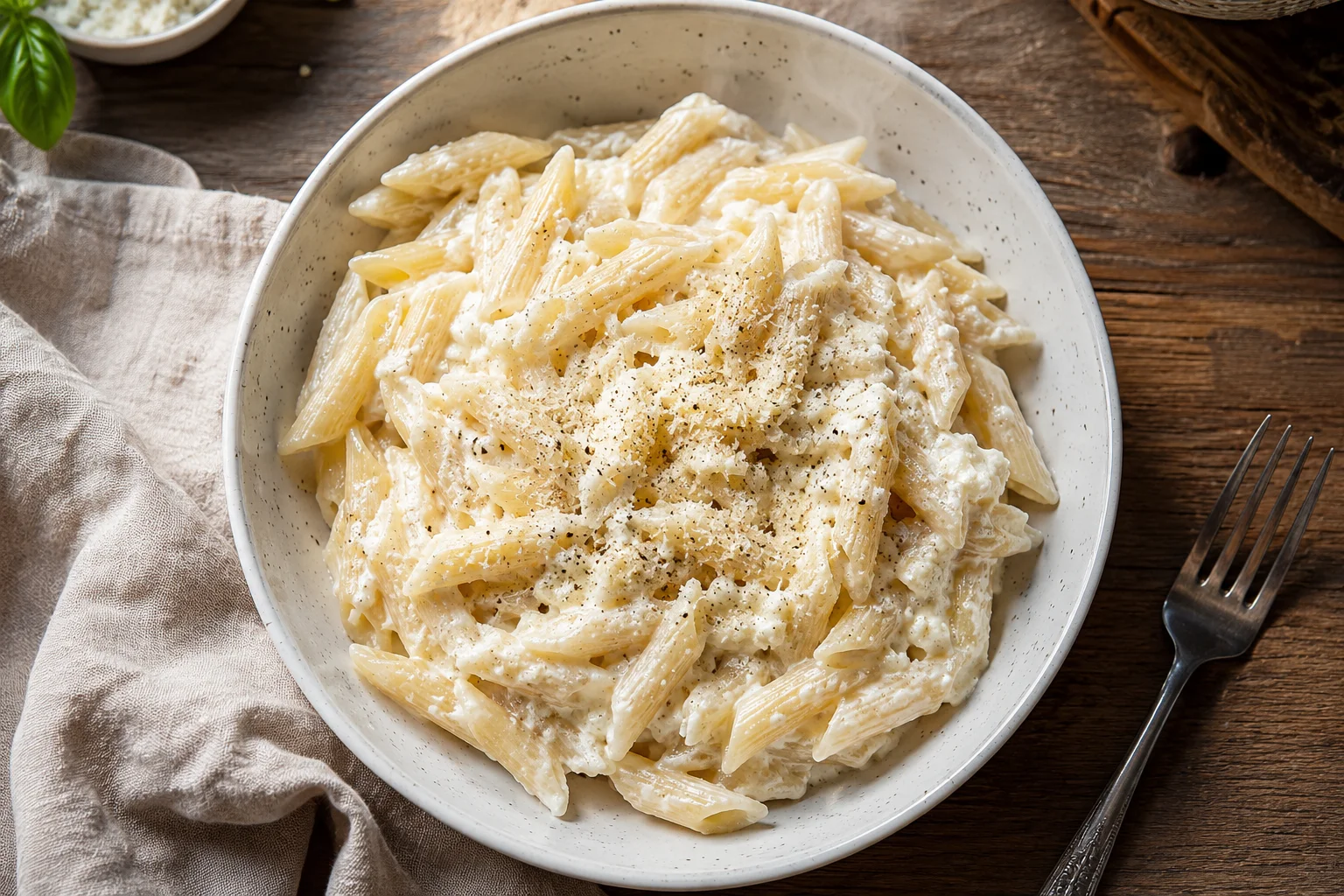
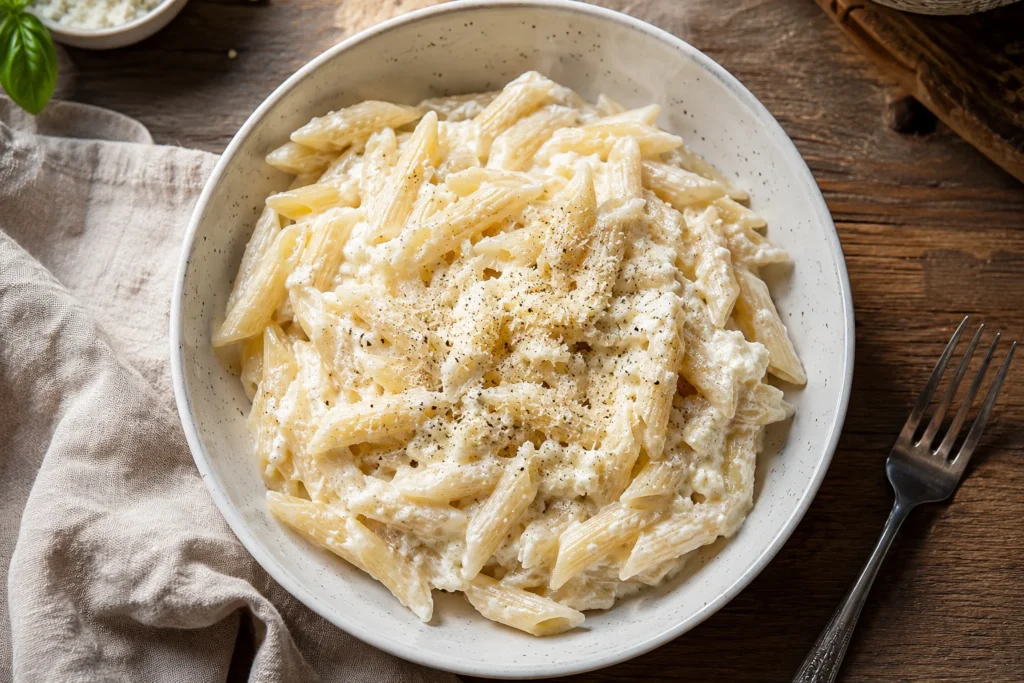
If you’ve scrolled past a hundred cottage cheese pasta videos and wondered whether it’s actually worth the hype, I’m here to tell you: it is. This high protein cottage cheese pasta turns humble cottage cheese into a sauce so smooth and creamy you’d swear there was heavy cream hiding in the pot. There isn’t. What you get instead is a bowl of pasta with roughly 30 grams of protein, a fraction of the fat of a traditional alfredo, and a flavor that’s rich, garlicky, and genuinely crave able.
I started making this on weeks when I wanted something that felt indulgent but didn’t want to spend forty-five minutes at the stove. It’s become one of those recipes I make without thinking twice — one blender, one skillet, twenty minutes, done. Whether you’re trying to hit a protein goal, feeding picky eaters who’d never touch a lump of cottage cheese on its own, or just craving something creamy and comforting, this recipe delivers.
Below you’ll find everything you need: ingredient swaps, the exact technique that keeps the sauce silky instead of grainy, make-ahead instructions, and answers to the questions I get asked most often about this recipe.
Craving more comfort food with a protein-forward twist? Don’t miss the Pepper Steak Stir-Fry Recipe — it’s ready in the same 30 minutes and delivers serious flavor without the takeout price tag.
Quick Recipe Facts
| Detail | Info |
|---|---|
| Prep Time | 10 minutes |
| Cook Time | 15 minutes |
| Total Time | 25 minutes |
| Servings | 4 |
| Cuisine | American, Italian-inspired |
| Course | Main Dish, Dinner |
| Difficulty | Easy |
| Calories | ~420 per serving |
| Protein | ~31g per serving |
| Carbs | ~48g per serving |
| Fat | ~11g per serving |
Nutrition is an estimate and will vary based on the exact brands and pasta type used.
Table of Contents
- Why You’ll Love This Recipe
- Ingredient Guide
- Equipment Guide
- Step-by-Step Instructions
- Expert Tips
- Common Mistakes
- Recipe Variations
- Serving Ideas
- Storage Instructions
- Troubleshooting
- Frequently Asked Questions
- Kitchen Gear That Helps
- Recipe Card
Jump to Recipe ↓ (scroll to the Recipe Card section at the bottom)
Why You’ll Love This Recipe
This isn’t just another “healthy” pasta that tastes like a compromise. Here’s why it earns a permanent spot in the dinner rotation:
- It’s genuinely high in protein. Cottage cheese is one of the most protein-dense dairy products available, and blending it into the sauce means you get that protein without eating a bowl of curds.
- The texture is silky, not grainy. Blending fully dissolves the curds, so the sauce comes out closer to a light alfredo than anything resembling cottage cheese.
- It’s fast. Start to finish, this is a 25-minute meal, which makes it realistic for actual weeknights.
- It’s budget-friendly. Cottage cheese is inexpensive compared to heavy cream, cream cheese, or specialty protein pasta.
- It’s flexible. The base sauce takes well to added vegetables, proteins, and spice, so it rarely gets boring.
- It reheats well, which makes it a strong candidate for meal prep lunches during the week.
If you’re building out a rotation of high protein dinners, this pasta pairs perfectly with a few other favorites on the blog. For another creamy, low-effort comfort dish, try the Cabbage Alfredo Bake — same garlicky, cheesy energy, just baked instead of stovetop. And if you’re still chasing your protein goal after dinner, the Ninja Creami Protein Ice Cream Recipes are a genuinely crave able way to close out the day with 25g+ more protein.
Ingredient Guide

Pasta (12 oz, any short shape) — Short shapes like penne, rigatoni, or shells hold the sauce better than long noodles, though spaghetti works fine too. Reserve some pasta water before draining; you’ll need it to loosen the sauce.
Full-fat cottage cheese (16 oz) — Full-fat blends the smoothest and tastes the richest. Low-fat works if you’re watching calories, but the sauce will be slightly thinner and less rich. Small curd or large curd both blend fine since everything gets pureed.
Garlic (4–5 cloves) — Fresh garlic, sautéed briefly in butter or olive oil, is what gives this sauce its backbone. Pre-minced jarred garlic works in a pinch but has a flatter flavor.
Parmesan cheese (½ cup, freshly grated) — Pre-shredded parmesan contains anti-caking agents that can make the sauce grainy. Grating your own from a block makes a noticeable difference here.
Butter or olive oil (2 tablespoons) — Used to sauté the garlic and add richness. Butter gives a slightly more classic, comforting flavor; olive oil keeps things lighter.
Lemon juice (1 teaspoon) — A small amount brightens the sauce and balances the richness of the dairy. It’s subtle, but you’ll notice its absence if you skip it.
Salt, black pepper, and red pepper flakes — Cottage cheese is fairly mild, so don’t be shy with seasoning. Season the blended sauce, then taste again after tossing with pasta, since the starchy pasta water will dilute the flavor slightly.
Reserved pasta water — This is the secret to a sauce that clings to the noodles instead of sitting in a puddle at the bottom of the bowl. The starch in the water helps emulsify everything together.
Shopping tip: Look for cottage cheese with minimal additives (just milk, cream, salt, and cultures) for the cleanest flavor. Storage tip: Keep opened cottage cheese tightly sealed and use within 5–7 days for the best flavor.
Equipment Guide
- Blender or food processor — This is non-negotiable. It’s what turns curds into a smooth sauce. A high-speed blender gives the silkiest result, but a standard blender or even an immersion blender works fine.
- Large skillet — For sautéing garlic and tossing the finished pasta with sauce.
- Large pot — For boiling the pasta.
- Box grater or micro plane — For freshly grating the parmesan.
- Budget alternative: No blender? A food processor or even a whisk plus serious elbow grease can get you close, though the texture won’t be quite as smooth.
Step-by-Step Instructions
Step 1: Boil the pasta. Bring a large pot of generously salted water to a boil. Cook the pasta according to package directions until al dente. Why it matters: Salting the water seasons the pasta from the inside out — this is not optional if you want a flavorful final dish. Before draining, scoop out and reserve at least 1 cup of pasta water.
Step 2: Sauté the garlic. While the pasta cooks, melt the butter (or heat the olive oil) in a large skillet over medium-low heat. Add the minced garlic and cook for 60–90 seconds, stirring constantly, until fragrant but not browned. Visual cue: The garlic should turn pale golden and smell nutty, not sharp. Common mistake: Garlic burns quickly at higher heat — keep it low and stir constantly.
Step 3: Blend the sauce. Add the cottage cheese, sautéed garlic (with the butter or oil), parmesan, lemon juice, salt, and pepper to a blender. Blend on high for 60–90 seconds, scraping down the sides as needed, until completely smooth with no visible curds. Texture cue: The sauce should look like a thick, pourable alfredo with zero graininess.
Step 4: Warm the sauce. Pour the blended sauce back into the skillet over low heat. Warm gently for 2–3 minutes, stirring frequently. Why low heat: Cottage cheese sauce can break or turn rubbery if it boils, so keep the heat gentle and don’t walk away.
Step 5: Combine. Add the drained pasta directly to the skillet with the sauce. Toss to coat, adding reserved pasta water a splash at a time until the sauce reaches a glossy, clingy consistency. Expert tip: Most batches need about ½ cup of pasta water — add gradually so you don’t thin it too much.
Step 6: Finish and serve. Taste and adjust salt, pepper, and red pepper flakes. Serve immediately, topped with extra parmesan and a crack of black pepper.
Expert Tips
- Blend longer than feels necessary. A full 60–90 seconds is what eliminates any graininess. If your blender is lower-powered, blend in two shorter bursts and let it rest a moment in between.
- Keep the sauce off a rolling boil. High heat is the number one cause of a broken, watery sauce.
- Add pasta water gradually. It’s easy to add too much at once and end up with soup instead of sauce.
- Warm your bowls. A small touch, but it keeps the sauce from seizing up the moment it hits a cold plate.
- For a restaurant-style finish, stir in a small pat of cold butter right at the end for extra shine and richness.
Common Mistakes
Problem: The sauce is grainy. Cause: Under-blending, or using pre-shredded parmesan with anti-caking starch. Solution: Blend longer and use freshly grated parmesan.
Problem: The sauce is watery. Cause: Too much pasta water added at once, or low-fat cottage cheese used without adjusting liquid. Solution: Add pasta water gradually and simmer briefly to thicken if needed.
Problem: The sauce tastes bland. Cause: Under-seasoning before or after tossing with pasta. Solution: Season assertively in the blender, then taste again after combining with pasta — starchy pasta dilutes flavor.
Problem: The sauce broke or turned rubbery. Cause: Cooking over heat that’s too high. Solution: Keep heat on low, and remove from heat the moment the pasta is coated.
Recipe Variations
- High Protein Boost: Stir in a scoop of unflavored or savory protein powder, or toss in grilled chicken or shrimp.
- Low Sugar: This recipe is naturally low in added sugar as written.
- Keto-Friendly: Swap traditional pasta for a low-carb noodle alternative; the sauce itself is already keto-compatible.
- Gluten Free: Use your favorite gluten-free pasta; the cook time may need slight adjustment.
- Dairy Considerations: This recipe relies on dairy for both protein and texture, so a true dairy-free version would need a different approach.
- Seasonal Fall Version: Stir in roasted butternut squash and a pinch of nutmeg.
- Holiday Version: Add sautéed mushrooms and fresh thyme for a more elevated, dinner-party-worthy dish.
- Kid-Friendly: Keep it simple — garlic, parmesan, and a mild pasta shape kids already like.
- Party Version: Serve in a chafing dish with extra parmesan and herbs for a crowd-pleasing side.
- Budget Version: Use store-brand cottage cheese and pasta; the recipe is already inexpensive.
- Luxury Version: Finish with truffle oil and shaved parmesan for a special-occasion twist.
Looking to round out the week? This cottage cheese pasta fits right alongside the High-Protein Sweet Potato Taco Bowl for meal prep, or the Quick-Pickled Onion & Probiotic Yogurt Bowl if you want a gut-friendly breakfast to balance out a heavier pasta dinner.
Serving Ideas
- Lunch: Pack leftovers in a meal prep container with steamed broccoli.
- Dinner: Pair with a simple green salad and garlic bread.
- Meal Prep: Portion into containers for up to 4 days of grab-and-go lunches.
- Potluck or BBQ: Serve at room temperature or gently warmed in a slow cooker on low.
- Game Day: Make a smaller-portion version in cups for easy, mess-free serving.
- Summer: Add fresh basil, cherry tomatoes, and a squeeze of lemon for a lighter, brighter take.
Storage
Refrigerator: Store in an airtight container for up to 4 days. Freezer: Freezing is possible but not ideal — cottage cheese sauces can separate slightly when thawed. If freezing, use within 1 month and expect to whisk or reblend after thawing. Reheating: Reheat gently on the stovetop over low heat with a splash of water or milk to loosen the sauce, stirring frequently. Microwave reheating works too — use 50% power and stir every 30 seconds. Meal Prep: This recipe holds up well for 3–4 days, making it a solid meal prep option.
Troubleshooting
My sauce separated after reheating. This happens sometimes with dairy-based sauces. Whisk vigorously over low heat, or pulse briefly in a blender with a splash of milk to bring it back together.
My pasta soaked up all the sauce overnight. This is normal — pasta continues to absorb liquid in the fridge. Add a splash of water or milk when reheating to loosen it back up.
My sauce is too thick. Add reserved pasta water or a splash of milk, a little at a time, until it reaches the consistency you want.
Frequently Asked Questions
Does cottage cheese pasta actually taste like cottage cheese? No. Once fully blended and combined with garlic, parmesan, and pasta, the sauce tastes rich and cheesy rather than like plain cottage cheese.
Can I use low-fat cottage cheese? Yes, though the sauce will be slightly thinner and less rich than a version made with full-fat cottage cheese.
How much protein is in cottage cheese pasta? This recipe has roughly 31 grams of protein per serving, though the exact amount depends on the cottage cheese and pasta brands used.
Can I make this ahead of time? Yes. The blended sauce can be made up to 2 days ahead and stored in the fridge; warm gently before tossing with freshly cooked pasta.
Why is my sauce grainy? Under-blending is the most common cause. Blend for a full 60–90 seconds and use freshly grated parmesan rather than pre-shredded.
Can I add protein powder to boost it further? Yes, an unflavored or savory protein powder can be blended directly into the sauce without significantly changing the flavor.
Is this recipe kid-friendly? Generally yes — most kids enjoy the creamy, cheesy flavor without realizing cottage cheese is involved.
Can I use a different cheese instead of parmesan? Pecorino romano works well as a sharper alternative; a mild white cheddar can also be used for a different flavor profile.
Is this recipe good for meal prep? Yes, it holds up well in the fridge for 3–4 days and reheats easily with a splash of liquid.
Can I make this vegetarian? Yes, this recipe is naturally vegetarian as written.
What pasta shape works best? Short shapes like penne, rigatoni, or shells hold the sauce best, though long noodles like spaghetti work too.
Can I freeze cottage cheese pasta? You can, though the texture may change slightly upon thawing. Reblending or vigorous whisking after thawing helps restore the sauce.
Do I need a high-speed blender? A standard blender works fine — just blend a bit longer and scrape down the sides as needed.
Can I skip the lemon juice? You can, but it adds a subtle brightness that balances the richness of the sauce, so I’d recommend keeping it if possible.
How do I make the sauce spicier? Add extra red pepper flakes to the blender, or stir in a spoonful of chili crisp at the end.
Kitchen Gear That Helps
A few tools genuinely make this recipe easier, though none of them are strictly required:
- A reliable blender — Best for achieving a completely smooth, curd-free sauce in under two minutes. Look for one with a tamper or a wide base that keeps ingredients moving.
- A wide, heavy-bottomed skillet — Helps distribute heat evenly so the sauce warms gently without scorching in spots.
- A micro plane grater — Makes quick work of grating fresh parmesan, which noticeably improves the sauce’s texture compared to pre-shredded cheese.
- Glass meal prep containers — Useful for portioning leftovers; glass reheats more evenly than plastic and won’t hold onto garlic smells.
- A fine-mesh strainer — Handy for draining pasta while keeping a cup of starchy water close by for the sauce.
- A citrus juicer — Makes it faster to get the small amount of fresh lemon juice this recipe calls for.
When shopping for any of these, prioritize function over brand — a mid-range blender with decent power will outperform a premium blender that’s underpowered for pureeing thick, dense ingredients like cottage cheese.
External Authority
For general guidance on food safety when handling dairy products, refrigeration times, and safe reheating temperatures, readers can consult trusted resources such as the USDA Food Safety and Inspection Service or a registered dietitian, particularly if they have specific dietary or health considerations.

Recipe Card
High Protein Cottage Cheese Pasta
A creamy, garlicky pasta sauce made from blended cottage cheese — rich, satisfying, and packed with protein, ready in about 25 minutes.
Servings: 4 | Prep: 10 min | Cook: 15 min | Total: 25 min
Ingredients
- 12 oz short pasta (penne, rigatoni, or shells)
- 2 tablespoons butter or olive oil
- 4–5 cloves garlic, minced
- 16 oz full-fat cottage cheese
- ½ cup freshly grated parmesan, plus more for serving
- 1 teaspoon fresh lemon juice
- ¾ teaspoon salt, plus more to taste
- ½ teaspoon black pepper, plus more to taste
- ¼ teaspoon red pepper flakes (optional)
- ½–1 cup reserved pasta water
Instructions
- Bring a large pot of salted water to a boil. Cook pasta until al dente. Reserve 1 cup pasta water, then drain.
- Melt butter in a large skillet over medium-low heat. Add garlic and cook 60–90 seconds until fragrant.
- Add cottage cheese, sautéed garlic, parmesan, lemon juice, salt, and pepper to a blender. Blend 60–90 seconds until completely smooth.
- Pour sauce into the skillet over low heat and warm gently for 2–3 minutes, stirring often.
- Add drained pasta to the skillet. Toss, adding reserved pasta water gradually until the sauce is glossy and clings to the noodles.
- Taste, adjust seasoning, and serve immediately with extra parmesan and black pepper.
Notes: For a smoother sauce, blend longer rather than shorter. Keep heat low throughout to prevent the sauce from breaking. Leftovers keep in the fridge for up to 4 days.
Nutrition (per serving, estimated): 420 calories, 31g protein, 48g carbs, 11g fat
Scaling: This recipe doubles easily — use a full 16 oz box of pasta and two 16 oz containers of cottage cheese, blending the sauce in two batches if your blender is smaller.
4 thoughts on “High Protein Cottage Cheese Pasta (Ready in 20 Minutes)”